mirror of
https://github.com/Av0idD4rk/firegex.git
synced 2026-10-23 15:30:59 +00:00
 2c3316b036 Rename the flag to --unsafe-disable-auth so the risk is visible at the call site, and close the ways the mode could outlive itself: - Keep an explicit -P/--startup-psw instead of dropping it. Without a password in the database, --no-unsafe-disable-auth brought firegex up in its initial-setup state, where anyone able to reach it could choose the password. - Refuse /api/login, /api/set-password and /api/change-password while authentication is disabled: an anonymous caller could otherwise plant a credential that kept working once authentication was turned back on. run.py config --password still works, writing to the database from the host. - Print a banner on every start/restart with authentication disabled. The flag is persisted in the config file, so a later bare `run.py start` inherits it. - Report the change in `run.py config --unsafe-disable-auth`, which claimed "No configuration changes specified" while persisting it, and stop that command from nulling the stored port and host on the way. - Expose the state as auth_disabled in /api/status and hide the logout button and the change-password entry, which were silent no-ops in this mode. Tests cover both directions of the toggle, the socket.io handler, the password endpoints and the -P handling. |
||
|---|---|---|
| .. | ||
| public | ||
| src | ||
| bun.lock | ||
| index.html | ||
| package.json | ||
| README.md | ||
| tsconfig.json | ||
| vite.config.ts | ||
Firegex Frontend
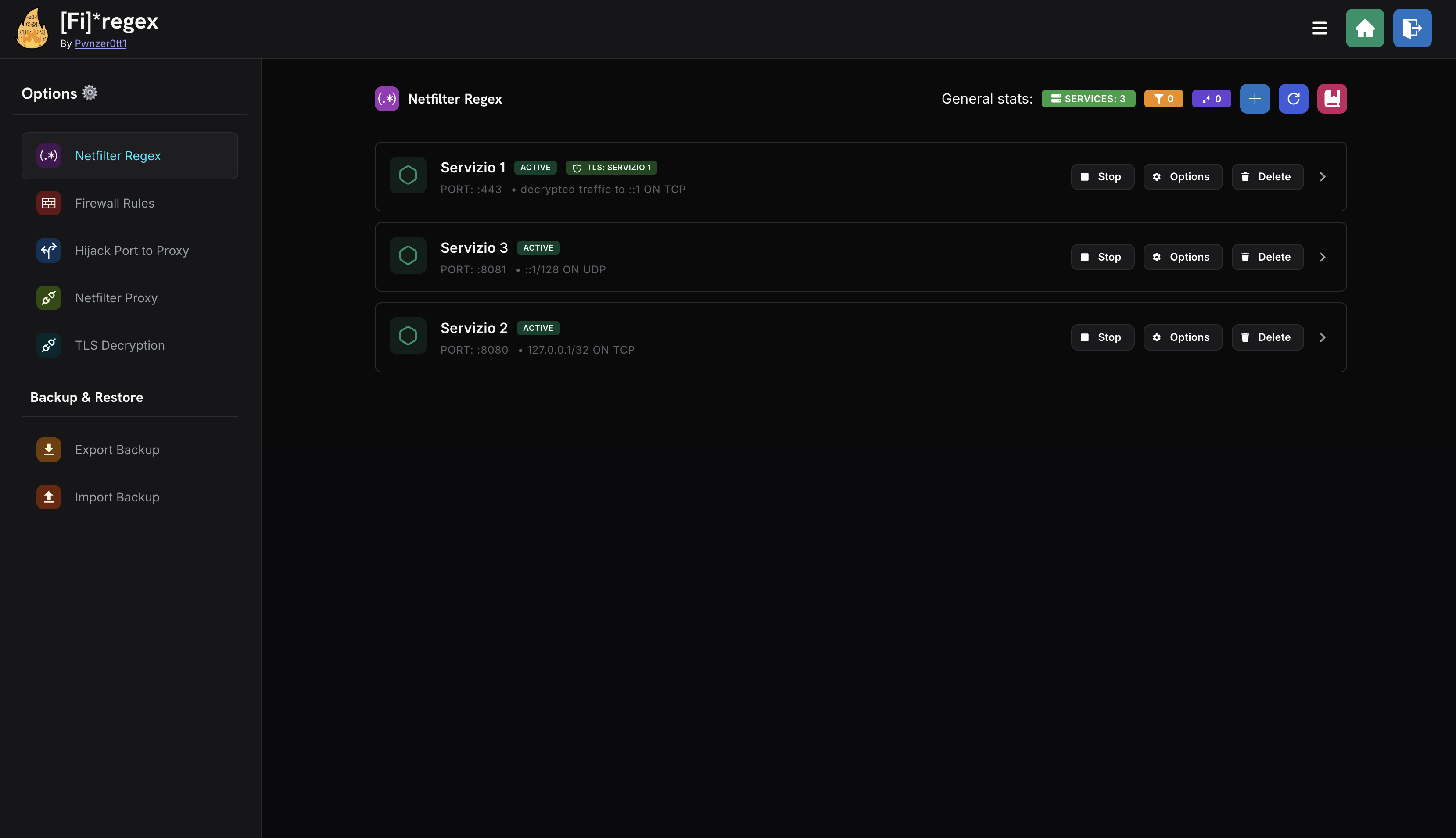
The frontend of firegex is written using vite. The routing of the pages is managed by react-router 6 and the graphics is mainly managed by the framework Mantine and icons provided by React Icons. The style of the page is written with sass.
The page is auto-updated by a global timeout and also thanks to socket.io that raise an event triggering all parts of the app that requires fetch updated data from the backend, the update of these data.